
Composite Bonding Review: Is It Right for You?
A small chip on a front tooth can catch your eye every time you look in the mirror. So can uneven edges, tiny gaps, worn corners or teeth that simply do not reflect how confident you feel. In this composite bonding review, we look beyond the impressive before-and-after photographs to explain what treatment can realistically achieve, who it suits and what it takes to keep the result looking its best.
What is composite bonding?
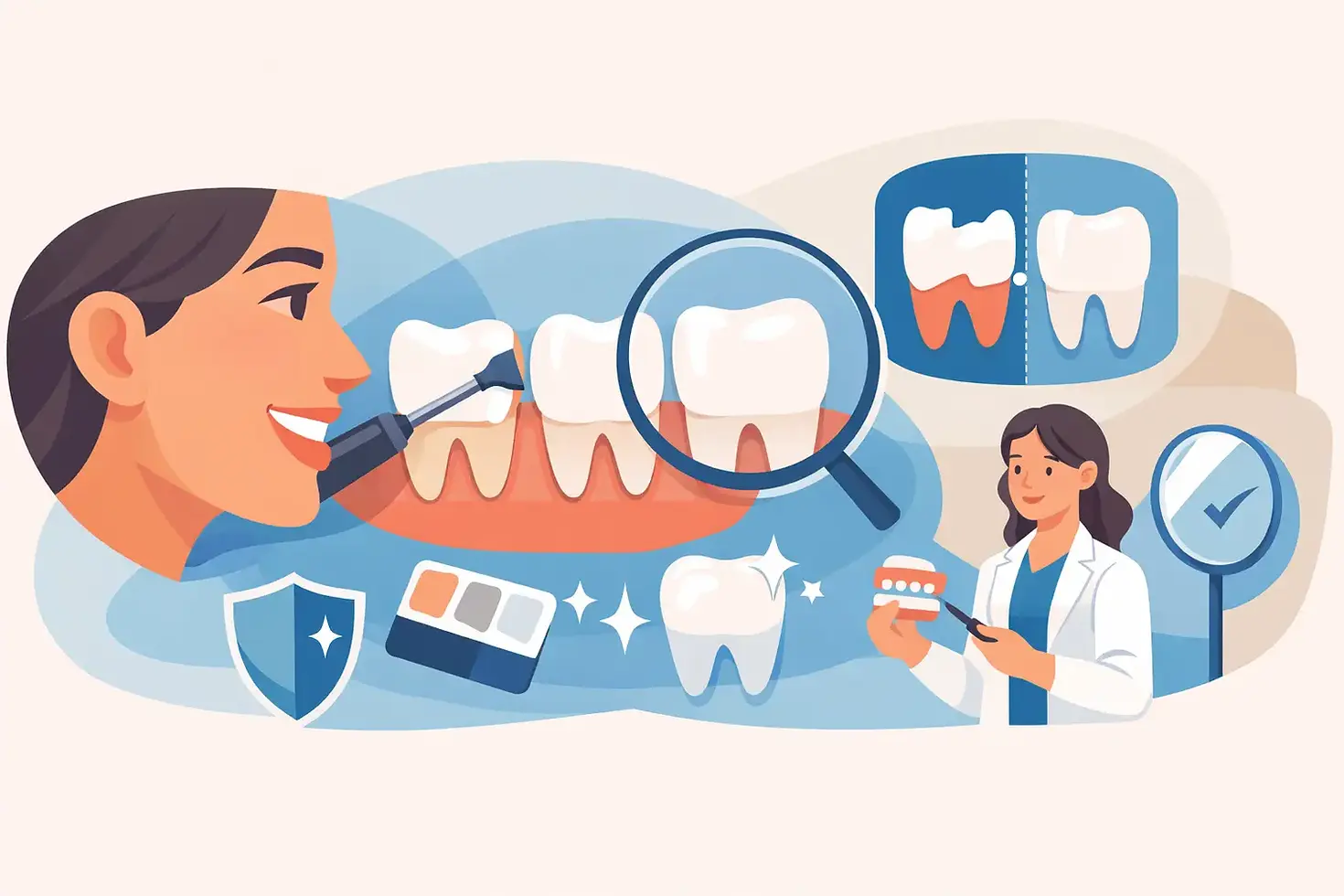
Composite bonding is a cosmetic dental treatment in which a dentist carefully applies tooth-coloured composite resin to the surface of a tooth. The material is shaped, sculpted and polished to improve its appearance, often in a single appointment.
It may be used to repair a chip, soften an irregular edge, close a small gap, build up a worn tooth or improve the balance and colour of a smile. Because the composite is built directly onto the tooth, it can be a conservative alternative to more extensive cosmetic treatments in the right situation.
The goal is not to make every tooth look identical or unnaturally bright. Thoughtful bonding should respect your facial features, lip line, bite and the natural character of your smile. A well-planned result can look beautifully subtle: friends may notice that you look fresher and more confident without immediately knowing why.
Composite bonding review: the benefits people value
One of the main attractions of composite bonding is that it usually requires little to no removal of healthy tooth structure. The resin is bonded to the enamel, allowing the dentist to make precise additions rather than substantially reshaping the tooth. For patients who want a visible improvement while preserving as much natural tooth as possible, this can be very reassuring.
Treatment is often straightforward and gentle. In many cases, injections are not needed, although this depends on the tooth and the work required. A dentist selects and layers shades of composite to create depth, then refines the shape and polish. This attention to detail matters, particularly on front teeth where light reflects differently across the enamel.
Bonding can also be a useful part of a wider smile plan. For example, Invisalign may first be used to position the teeth more favourably, followed by small amounts of bonding to perfect worn edges or proportions. Teeth whitening may be considered before treatment too, as composite does not whiten in the same way as natural enamel. Planning the shade after whitening can help the finished smile look more consistent.
For minor concerns, the process can be more affordable and less invasive than porcelain veneers. It is also repairable. If a small area chips or wears over time, composite can often be added to or polished without replacing an entire restoration.
The trade-offs to understand before treatment
Composite bonding is an excellent option for many smiles, but it is not a permanent, maintenance-free fix. Resin is durable, yet it is generally more prone to staining, scratching and chipping than porcelain. Coffee, tea, red wine, tobacco and strongly coloured foods can gradually affect the surface, especially if the composite becomes rougher with wear.
The material also needs the right foundation. If a tooth has extensive decay, a large old filling, a crack, significant loss of structure or a heavy bite, a different restorative option may offer better long-term protection. A crown, veneer or more comprehensive restorative treatment may sometimes be the more predictable choice. The best answer depends on the health of the tooth, not only the look you would like to achieve.
Bite is particularly important. People who clench or grind their teeth may put significant pressure on bonded edges. This does not automatically rule out treatment, but it may mean a protective night guard is recommended and that expectations around maintenance need to be clear. Ignoring grinding can shorten the lifespan of almost any cosmetic dental work.
Composite is not usually the ideal way to close large gaps or dramatically alter tooth positions. Adding too much material can make teeth appear bulky, compromise cleaning or create an unbalanced bite. Where spacing, crowding or bite alignment is the underlying issue, orthodontic treatment may be the more conservative starting point.
What makes composite bonding look natural?
Natural-looking bonding is about far more than choosing a white shade. Teeth are not flat blocks of colour. They have translucency near the edges, subtle changes in tone and individual surface texture. An experienced dentist considers all of this while also looking at the proportions between each tooth and the wider smile.
A careful consultation should include a conversation about what you like and dislike about your teeth, as well as an examination of your gums, enamel, existing restorations and bite. Photographs, scans or smile planning may be helpful where several teeth are involved. This allows the proposed changes to be considered before treatment begins, rather than making decisions tooth by tooth on the day.
It is worth being cautious of promises of a perfectly uniform "Hollywood" smile. For some people, a brighter, more symmetrical look is exactly what they want. For others, the most attractive result is a refined version of their own smile, with gentle variations that do not look manufactured. Clear communication is the route to a result that feels like you.
How long does composite bonding last?
There is no single lifespan that applies to every case. With good care, composite bonding can remain attractive for several years, but it may need occasional polishing, minor repairs or replacement as the material wears. The number of teeth treated, the size of the additions, your bite, dietary habits and oral hygiene all influence longevity.
The bonding itself is only one part of the picture. Healthy gums and clean tooth surfaces help create a better-looking margin around the composite. Regular dental examinations and hygiene appointments allow small concerns to be spotted early, before staining, roughness or a tiny chip becomes more noticeable.
You can help protect the result by avoiding using your teeth as tools. Opening packets, biting fingernails, chewing pens or crunching ice can place unnecessary stress on bonded edges. If you play contact sports, a well-fitting mouthguard is sensible. If you grind your teeth at night, wear the protective appliance provided or recommended by your dentist.
Does composite bonding hurt?
For simple cosmetic additions, treatment is usually comfortable because the tooth often requires little preparation. You may feel the dentist working around the tooth and the polishing stage, but it is generally a calm procedure. If any reshaping is needed, or if the tooth is sensitive, local anaesthetic can be discussed so you remain comfortable throughout.
Some people notice a slight change in the way their teeth meet at first, particularly after several teeth have been refined. Your dentist should check your bite carefully and make adjustments where needed. Do not try to get used to a sharp edge, a rough spot or a bite that feels wrong. Contact the practice so it can be reviewed promptly.
Cost: why quotes can vary
The cost of composite bonding is based on the complexity of the work, not simply the number of teeth. Repairing one small chip is very different from designing and building multiple front teeth. Consultation time, shade matching, treatment planning, the condition of the teeth and any preparatory care all affect the final fee.
A personalised assessment is the safest way to understand the likely investment and the options available. It also helps avoid choosing treatment on price alone. A lower initial cost can feel appealing, but careful planning, high-quality materials, time for detailed finishing and ongoing support all contribute to a result that is comfortable, functional and natural-looking. Flexible finance may help some patients spread the cost of suitable treatment, subject to eligibility and terms.
When to consider another option
Bonding is most successful when it solves the right problem. If teeth are heavily stained, whitening may be a sensible first step. If they are crowded or spaced, orthodontics may produce a healthier and more conservative result before cosmetic finishing. If there is pain, bleeding gums, active decay or failing dental work, these concerns should be treated before changing the appearance of the smile.
For teeth with more significant damage, porcelain veneers, crowns, implants or restorative treatment may be discussed. This is not about making a treatment plan more complicated than necessary. It is about choosing an option that supports comfort, function and long-term oral health as well as appearance.
At Scarborough Dental & Implant Clinic, a composite bonding consultation is an opportunity to talk openly about the changes you want, the health of your teeth and what will serve your smile well over time. The most satisfying result is rarely the fastest or whitest one. It is the one that lets you smile, speak and eat with greater ease, knowing your teeth still look and feel like your own.


Comments