
Hygienist vs Periodontal Cleaning Explained
A little bleeding when brushing can seem easy to dismiss, especially if your teeth feel clean and comfortable. Yet bleeding, persistent bad breath or gums that look swollen can be early signs that need more than a standard clean. The question of hygienist vs periodontal cleaning is not really about choosing one service over another. It is about understanding the level of gum care your mouth needs at that point in time.
A routine hygiene appointment helps prevent gum disease and keeps your smile feeling fresh. Periodontal cleaning is a more targeted treatment for gum disease that has progressed below the gumline. Both are valuable, and both can be carried out gently with your long-term comfort and oral health in mind.
What happens at a routine hygienist appointment?
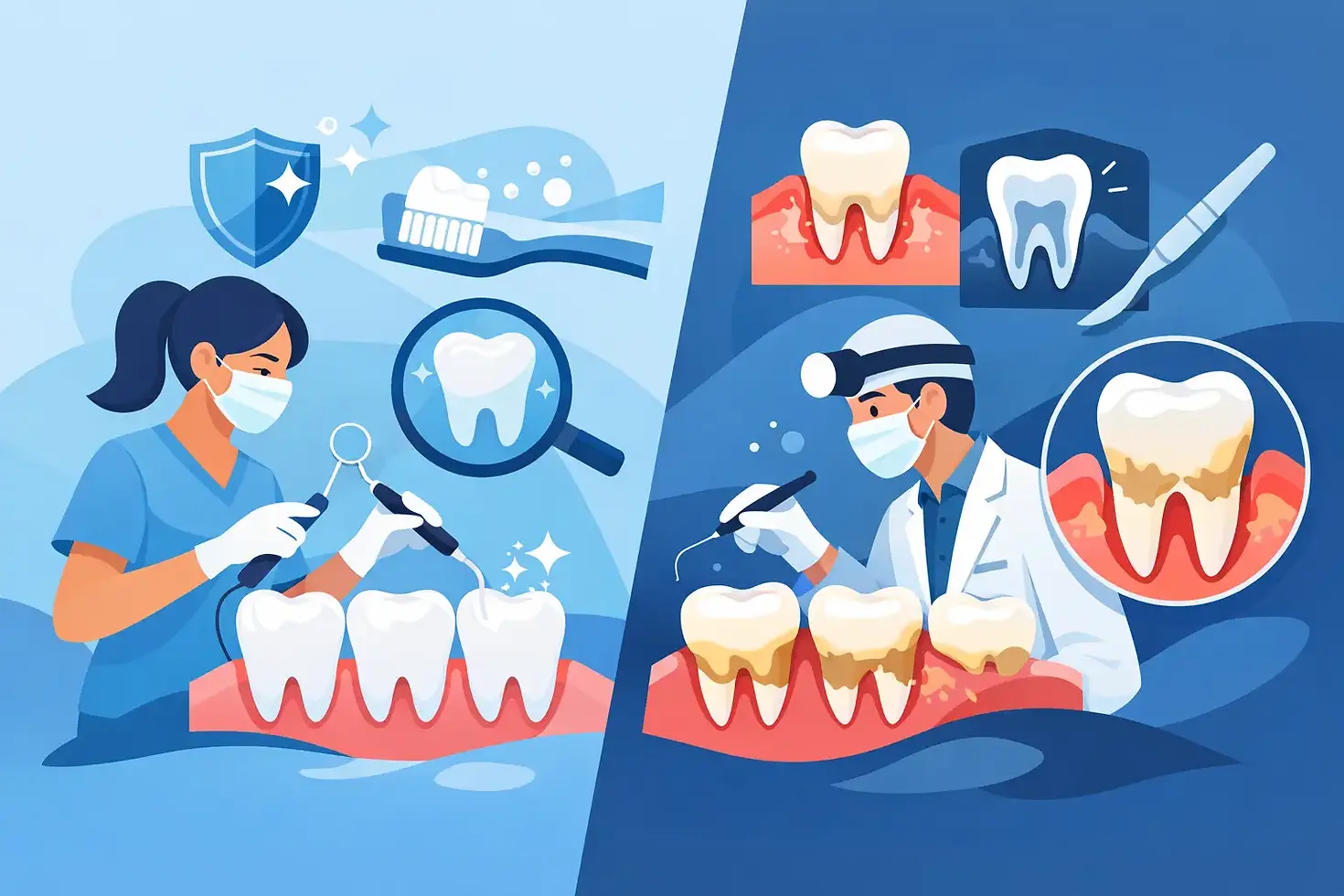
A hygienist appointment is preventive care. It is designed to remove the hardened plaque, known as calculus or tartar, and surface staining that everyday brushing cannot reach. Your hygienist will assess the condition of your gums, clean around the teeth and gumline, and offer practical advice on brushing, interdental cleaning and any areas that need more attention at home.
For many patients, this involves a scale and polish. An ultrasonic instrument and hand instruments may be used to loosen deposits, followed by polishing where appropriate. The feeling varies from person to person, but treatment is usually straightforward and is adapted if you have sensitive teeth, a strong gag reflex or dental anxiety.
Regular hygiene care can help to reduce inflammation in the gums before it becomes more serious. It also supports the longevity of cosmetic and restorative dentistry. Clean, healthy gums provide the best foundation for natural-looking crowns, veneers, bridges and dental implants.
What is periodontal cleaning?
Periodontal cleaning, sometimes called non-surgical periodontal treatment, is intended for patients with periodontal disease. This is gum disease that has moved beyond the early, reversible stage of gingivitis and begun to affect the tissues and bone supporting the teeth.
When plaque bacteria remain beneath the gumline, the gums can gradually detach from the teeth and form deeper spaces called periodontal pockets. These pockets are difficult to clean with a toothbrush or with a routine surface clean alone. Over time, untreated disease may lead to gum recession, loose teeth, discomfort when chewing and eventually tooth loss.
A periodontal cleaning involves carefully removing bacterial deposits and calculus from below the gumline and smoothing the root surfaces where necessary. You may hear this described as root surface debridement. The purpose is to reduce the bacterial load, allow the gums to heal as far as possible and make the areas more manageable to clean.
Because the treatment reaches deeper areas, it may be completed over more than one appointment. Local anaesthetic can be used to keep you comfortable, particularly where pockets are deeper or gums are tender. A gentle approach does not mean compromising on thoroughness - it means planning treatment around your needs and explaining each stage clearly.
Hygienist vs periodontal cleaning: the key difference
The main difference is the condition being treated. Routine hygiene appointments focus on prevention and maintenance. Periodontal cleaning treats active disease beneath the gumline.
It is also worth clearing up a common misunderstanding: a hygienist is a dental professional, while periodontal cleaning is a type of treatment. Depending on your assessment and the practice's clinical arrangements, a dental hygienist, therapist or dentist may provide elements of periodontal care. The treatment should always follow a proper periodontal assessment and an individual plan.
A standard hygienist clean may be appropriate when your gums are healthy or when you have mild gingivitis, with little or no pocketing. Periodontal treatment is more likely to be recommended if measurements around your teeth show deeper pockets, bleeding is widespread, there is recession, or X-rays suggest bone loss.
Neither option should be viewed as a failure or a reason for embarrassment. Gum disease is common, and its causes can include plaque build-up, smoking, diabetes, certain medications, genetic factors, stress and difficulty cleaning around crowded teeth, bridges or implants. The positive step is finding it early and putting a manageable plan in place.
Signs you may need more than a routine clean
Gum disease is often painless in its early stages, which is why regular checks matter. You should arrange an assessment if you notice bleeding when brushing or flossing, swollen or receding gums, persistent unpleasant breath, a bad taste, sensitivity around the gumline, or teeth that seem to be moving.
Changes in how your bite feels, new gaps appearing between teeth, or discomfort around an implant also deserve prompt attention. These symptoms do not automatically mean you need periodontal treatment, but they do need a professional examination rather than guesswork.
At your appointment, the dental team may measure the space between the gum and each tooth, check for bleeding and mobility, and take X-rays when clinically appropriate. This gives a clearer picture than appearance alone. Gums can look reasonably healthy at the front of the mouth while inflammation persists around back teeth or beneath the gumline.
What to expect during and after treatment
A routine hygiene visit is often completed in one appointment, although the timing depends on the amount of deposit present and your comfort. You may experience mild sensitivity afterwards, especially if there was a build-up of calculus close to the gums. This usually settles quickly.
Periodontal cleaning can take longer and may be divided into sections of the mouth. If local anaesthetic is used, you will need to take care with hot drinks and chewing until the numbness has worn off. Your gums may feel tender or bleed slightly for a short time as they begin to heal. Teeth can also feel more sensitive if recession has exposed part of the root surface.
The first few days are not the final result. Healing takes time, and follow-up measurements are often needed to see how the gums have responded. Some patients then return to regular hygiene appointments; others benefit from periodontal maintenance at shorter intervals. The right schedule depends on your risk factors, pocket depths, home care and how stable your gums remain.
Why maintenance matters after periodontal care
Periodontal disease can be controlled, but it needs ongoing attention. Once deeper pockets have formed, they can be more prone to bacterial build-up again. Professional maintenance and effective cleaning at home work together to protect the progress made during treatment.
Your clinician may recommend a small interdental brush, floss, a water flosser or a particular brushing technique. The best tool is the one that safely cleans the spaces you actually have and that you can use consistently. For example, a larger interdental brush may be ideal for an open space but unsuitable for a tight contact between teeth.
If you smoke, stopping is one of the most meaningful changes you can make for gum healing. Keeping diabetes well managed also plays an important role. These conversations are handled without judgement because lasting results are built through realistic, supportive care - not a lecture at the sink.
Protecting implants, crowns and a restored smile
If you have invested in dental implants, crowns, bridges or a smile makeover, gum health is not a separate issue. It is central to protecting that investment. Bacteria and inflammation can affect the tissues around natural teeth and implants alike, and cleaning needs may be different around complex restorative work.
A personalised hygiene and periodontal plan helps keep areas around restorations accessible and clean. It can also identify small changes before they become a bigger problem, helping preserve comfort, appearance and function for the long term.
At Scarborough Dental & Implant Clinic, the focus is on calm, clear and personalised care. Whether you need a routine hygiene visit or more advanced gum treatment, the aim is to help you understand what is happening, feel comfortable throughout, and leave with a plan that supports a healthier, more confident smile.
If your gums are bleeding or you are unsure which type of clean is right for you, a professional assessment is the kindest next step. Early care is usually simpler, gentler and more predictable than waiting for symptoms to worsen.


Comments