
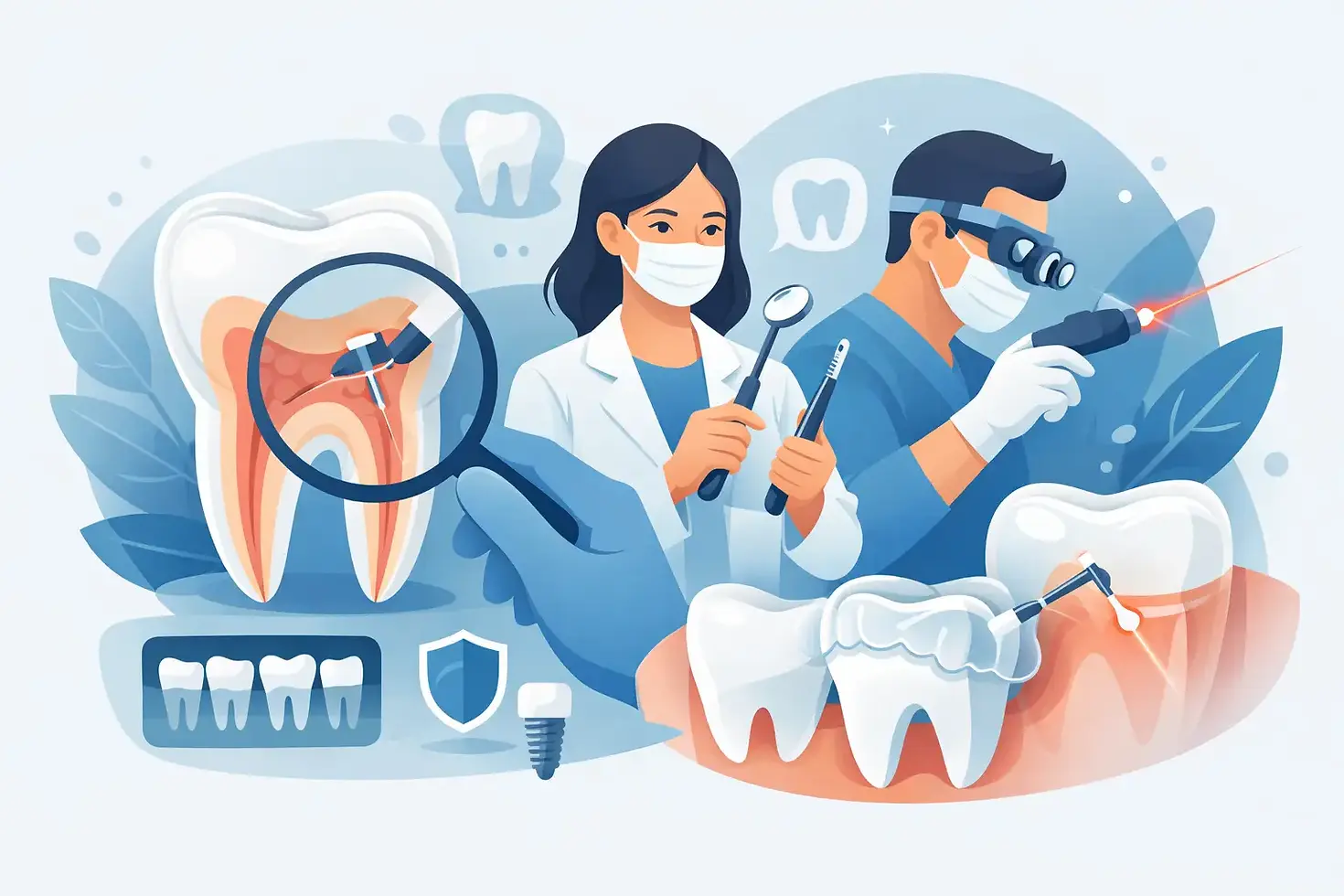
Minimally Invasive Dentistry Trends to Know
A tooth with a small crack, an old filling or early decay does not always need a large restoration. One of the most reassuring minimally invasive dentistry trends is the move towards preserving as much healthy enamel and tooth structure as possible, while still creating a strong, attractive result. For patients who want to feel confident about both their smile and their long-term oral health, this is a meaningful change in the way treatment is planned.
At Scarborough Dental & Implant Clinic, we see many people who want practical solutions that look natural, feel comfortable and avoid unnecessary treatment. Minimal intervention does not mean cutting corners. It means using careful diagnosis, modern materials and precise techniques to recommend only what is genuinely needed.
What minimally invasive dentistry really means
Minimally invasive dentistry is a philosophy rather than one single procedure. Its aim is to prevent dental problems where possible, identify concerns early and restore damaged teeth with the smallest appropriate intervention. In practice, that may mean monitoring a very early area of enamel change, repairing a chipped edge with composite bonding, or replacing only a failing part of an old restoration rather than automatically covering the whole tooth.
The key word is appropriate. A conservative option is only right when it can provide a predictable, durable result. If a tooth is badly cracked, weakened by extensive decay or has a large existing restoration, a crown, onlay or other more protective treatment may be the safer long-term choice. Good dentistry balances preservation with strength and function.
The minimally invasive dentistry trends patients are noticing
Earlier detection with better imaging
Modern dentistry is increasingly focused on finding changes before they become painful or obvious. Digital X-rays, intraoral photographs and detailed clinical examinations can reveal decay between teeth, worn enamel, small fractures and changes around existing fillings at an earlier stage.
This matters because early intervention is often simpler. A small area of decay may need a modest filling rather than a larger restoration. Signs of tooth wear can lead to advice on bite protection, diet or grinding before the teeth become shortened, sensitive or prone to breaking. Clear images also help patients understand what their dentist can see, making treatment discussions feel less mysterious and more collaborative.
Prevention as active treatment
Prevention is sometimes mistaken for doing nothing. In reality, it can be one of the most valuable forms of care. Professional hygiene appointments, fluoride advice, dietary guidance and home-care support all help protect enamel and gums before more involved treatment becomes necessary.
For patients with a higher risk of decay, dry mouth, gum disease or repeated restoration problems, a personalised prevention plan can make a substantial difference. It may include more frequent reviews, tailored cleaning advice or protective treatments. The goal is not simply a clean-looking smile. It is to help keep natural teeth healthy for as long as possible.
Adhesive restorations that conserve more tooth tissue
Today’s high-quality composite materials can bond directly to enamel and dentine. This has broadened the possibilities for conservative restorations, particularly where teeth are chipped, worn, uneven or affected by small-to-medium areas of decay.
Composite bonding can often improve the shape, length or appearance of a tooth with little or no removal of healthy enamel. Small gaps, worn corners and minor imperfections may be addressed in a gentle way, with the shade and translucency carefully matched to surrounding teeth. The result should look like your own smile at its best, not like a one-size-fits-all cosmetic treatment.
However, bonding has limits. It may stain, chip or wear over time, particularly for patients who grind their teeth or regularly bite hard foods. It also requires excellent home care and periodic polishing or repair. In some cases, ceramic veneers or crowns offer greater durability, though they involve a different level of preparation and cost. Your dentist should explain these trade-offs clearly before you decide.
Partial ceramic restorations instead of full crowns
When a tooth needs more protection than a filling can provide, a full crown is not always the only answer. Ceramic inlays and onlays are designed to replace the damaged or weakened part of a tooth while preserving healthy structure where possible.
An onlay can be especially useful for a back tooth with a large failing filling or a fractured cusp. It is crafted to fit precisely and can provide excellent strength and natural appearance without necessarily covering every surface of the tooth. Whether an onlay is suitable depends on the amount of remaining healthy tooth, the bite forces involved and whether there are cracks extending deeper into the tooth.
This is where careful treatment planning matters. The most conservative restoration is not always the one that removes the least material at the appointment. It is the one most likely to protect the tooth successfully over the years ahead.
Conservative smile enhancement
More patients are seeking improvements that retain their individual character rather than dramatically changing every tooth. Subtle whitening, edge bonding, tooth contouring and carefully planned orthodontics can make a noticeable difference without extensive drilling.
Invisalign treatment, for example, may help improve spacing, crowding or bite position before cosmetic work is considered. Moving teeth into a more favourable position can sometimes reduce the amount of bonding or veneer work required afterwards. Whitening can also establish a brighter baseline before a dentist matches the shade of any new restorations.
A healthy smile makeover is never just about making teeth look whiter or straighter. Gum health, tooth position, bite stability and facial proportions all influence whether a result will feel comfortable and look natural. Taking time to plan these details protects both the appearance and longevity of the final outcome.
Digital planning is making treatment more precise
Digital scans are replacing traditional impression materials in many situations. For patients, this can be more comfortable and less stressful. For dentists and dental technicians, the detailed images support precise planning for restorations, orthodontics and implant treatment.
Digital smile design and trial smiles can also help patients see the direction of proposed treatment before committing to it. This is particularly helpful when considering several options, such as bonding versus veneers, or tooth replacement with a bridge versus an implant. A preview is not a guarantee, but it can make conversations about shape, proportion and expectations much clearer.
Technology supports clinical judgement rather than replacing it. A scan or image is only part of the picture. Your dentist must also consider your medical history, gum condition, bite, habits, lifestyle and goals.
Where implants fit into a minimally invasive approach
Dental implants may sound like the opposite of conservative dentistry because they involve a surgical procedure. Yet for a missing tooth, an implant can be a tooth-preserving option because it may avoid preparing the healthy teeth on either side, as is usually required for a conventional bridge.
Implant planning is increasingly guided by 3D imaging and digital workflows, allowing clinicians to assess bone levels, anatomy and the ideal position of the final tooth before treatment begins. This supports accuracy and can help make surgery more predictable. Not everyone is suitable for an implant immediately, though. Gum disease must be stabilised, oral hygiene needs to be reliable and some patients require bone or soft-tissue treatment first.
The right replacement option depends on the location of the gap, your overall oral health, budget and priorities. A well-designed bridge or removable solution may be the better choice in certain circumstances. What matters is receiving clear, individual advice rather than being steered towards a single answer.
Comfort is part of modern conservative care
For nervous patients, minimally invasive treatment can feel less daunting because it often involves smaller restorations and a stronger focus on prevention. But comfort should never be assumed. Even a short appointment can feel overwhelming if you have had difficult dental experiences in the past.
A caring practice will listen first, explain each stage in plain language and agree a pace that feels manageable. Gentle local anaesthetic techniques, breaks when needed and clear aftercare can all make a real difference. If you are worried about pain, needles, gagging or feeling out of control, saying so at the start gives your dental team the opportunity to support you properly.
Choosing a plan that protects your future smile
The most valuable question is not simply, “What is the quickest fix?” It is, “What will protect my teeth, bite and confidence over time?” Sometimes the answer is a small repair and regular monitoring. Sometimes it is a carefully planned crown, implant or full-mouth rehabilitation designed to restore reliable function.
A thoughtful consultation should leave you with an understanding of the condition of your teeth, the options available and why one approach may be better suited to you. When treatment is planned around your needs, preserving healthy tooth structure becomes part of a bigger aim: helping you eat, speak and smile with confidence for years to come.


Comments