
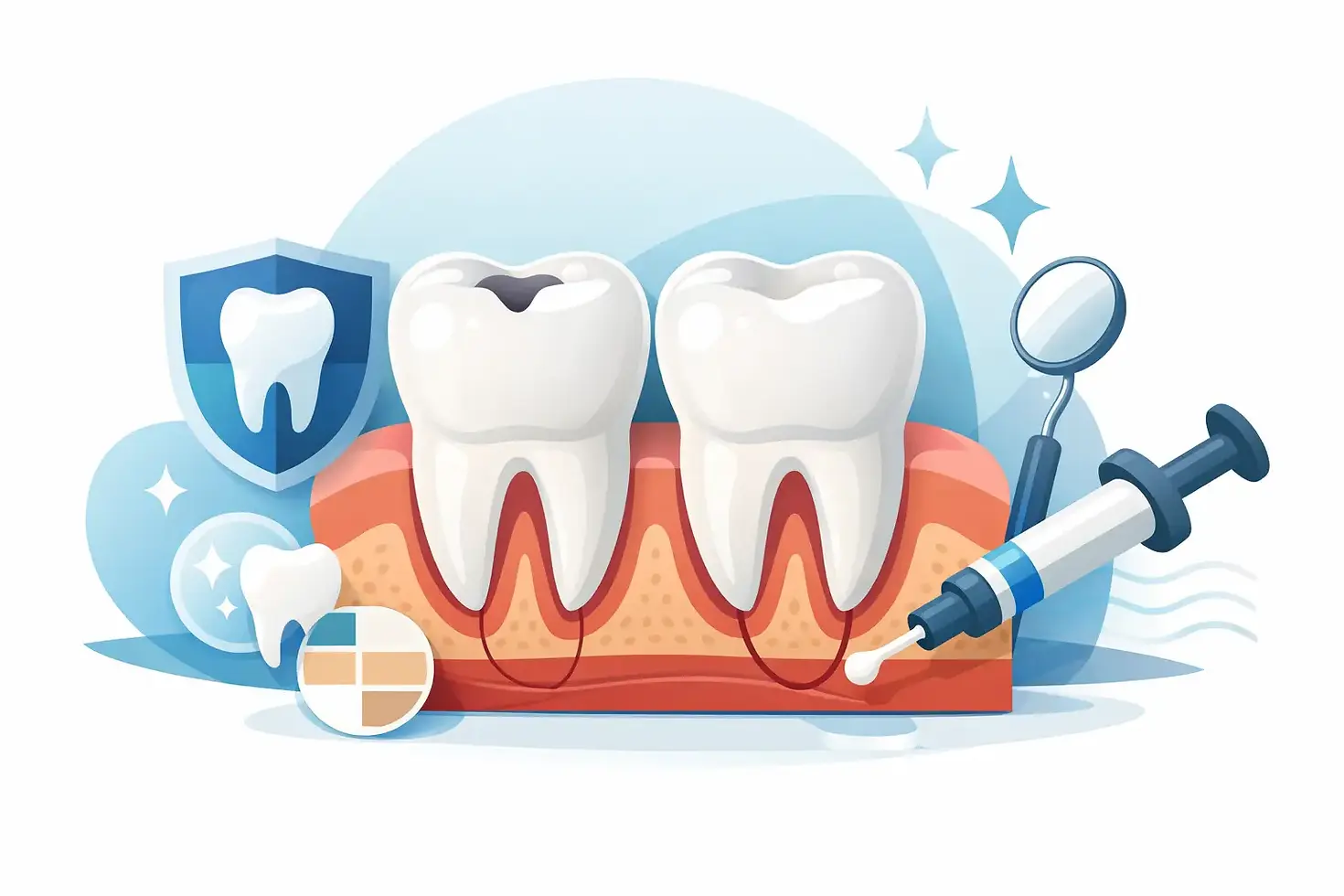
Tooth Coloured Fillings Benefits Explained
- falsgravedental
- Jun 18
- 6 min read
A filling should repair a tooth without making you feel self-conscious every time you laugh, speak, or open your mouth wide at the dentist. That is one of the main reasons tooth coloured fillings benefits matter so much to patients today. People want treatment that feels gentle, looks natural, and supports the long-term health of the tooth - not simply a quick fix.
For many patients, especially those replacing older metal fillings or treating a new cavity in a visible area, tooth-coloured materials offer a reassuring balance of function and appearance. They are designed to blend in with the surrounding enamel, but the appeal goes beyond cosmetics alone. In the right case, they can also help preserve tooth structure and provide a comfortable, modern restorative option.
What are tooth-coloured fillings?
Tooth-coloured fillings are usually made from a composite resin material that is carefully matched to the shade of your natural teeth. They are used to repair teeth affected by decay, small fractures, wear, or to replace older restorations that no longer look or perform as well as they should.
Unlike traditional silver amalgam fillings, composite fillings are created to blend with the smile rather than stand out against it. This makes them particularly popular for front teeth and premolars, although they can also be an excellent option for many back teeth depending on the size of the cavity, your bite, and how much pressure the tooth takes.
Tooth coloured fillings benefits for appearance and confidence
The most obvious of the tooth coloured fillings benefits is their natural appearance. The material is selected to match your tooth shade as closely as possible, so the final result looks subtle rather than artificial. For many people, this is not just about vanity. It is about feeling comfortable when smiling, talking, or eating in company.
A visible dark filling can draw attention to a tooth, even if the tooth itself is otherwise healthy. By contrast, a well-placed tooth-coloured filling tends to disappear into the smile. If you have ever covered your mouth when laughing or noticed old metal fillings in photographs, this change can feel surprisingly significant.
That confidence boost matters. Dentistry is not only about treating problems. It is also about helping people feel more at ease with their smile in everyday life.
A more conservative approach to repairing teeth
Another important advantage is that composite fillings bond directly to the tooth. Because of this, the dentist can often preserve more healthy natural tooth tissue during treatment compared with some more traditional approaches.
That may sound like a small detail, but preserving healthy tooth structure is always a good thing. The more of your natural tooth that remains strong and intact, the better the foundation for long-term oral health. In modern restorative dentistry, the aim is not simply to fill a hole. It is to repair the tooth in a way that is durable, supportive, and as minimally invasive as possible.
This careful approach is especially valuable for patients who want treatment that protects their teeth for the future rather than taking away more structure than necessary.
Comfort, function, and everyday practicality
Most patients want a filling to do three simple things well - feel comfortable, let them chew normally, and avoid drawing attention. Tooth-coloured fillings can meet all three when they are properly planned and placed.
The material is shaped directly onto the tooth and hardened in layers, which allows for a precise result. Once polished, the surface feels smooth and natural. The filling can also be adjusted so that your bite feels balanced, which is essential for comfort, especially on back teeth.
There is also less concern about the stark metallic look that some patients dislike with amalgam restorations. If you are having treatment on a tooth that shows when you smile, the practical difference is immediate. If the filling is on a back tooth, the benefit may simply be that your mouth looks more natural overall.
Why many patients choose them over metal fillings
Patients often ask whether tooth-coloured fillings are better than silver fillings. The honest answer is that it depends on the tooth, the size of the repair, and your individual needs. However, there are clear reasons why many people now prefer the tooth-coloured option.
Appearance is the first. Composite resin blends in far better than silver amalgam. But patients also value the more conservative preparation, the bonded fit to the tooth, and the fact that treatment can feel more aligned with modern, aesthetic dentistry.
Some people also want to replace old metal fillings because they have become worn, leaking at the edges, or cosmetically distracting. This should not be done automatically just for the sake of change, but if an older filling is no longer serving the tooth well, replacing it with a tooth-coloured restoration can improve both function and appearance.
Tooth coloured fillings benefits for smaller repairs
Tooth coloured fillings are particularly effective for small to medium areas of decay or damage. In these situations, they can provide an excellent blend of strength, aesthetics, and tooth preservation.
They are also useful for repairing chipped edges, smoothing minor shape irregularities, and restoring worn areas near the gumline. In other words, their role is not limited to straightforward cavities. They can be part of a wider plan to improve comfort and appearance in a subtle, minimally invasive way.
For patients interested in a smile that looks refreshed but still natural, this kind of treatment can make a meaningful difference without the need for more extensive work.
Are there any trade-offs?
Good dentistry is rarely one-size-fits-all, and this is where a balanced conversation matters. Tooth-coloured fillings offer many benefits, but they are not automatically the best choice in every single case.
Large cavities in heavily loaded back teeth may sometimes need a different type of restoration, such as an inlay, onlay, or crown, particularly if the remaining tooth is weak. Composite fillings are durable, but their longevity depends on factors such as the size of the filling, your bite, oral hygiene, and habits like clenching or grinding.
Technique also matters. Tooth-coloured fillings need a dry, controlled environment and careful placement to achieve the best result. This is why a thorough assessment and high clinical standards are so important. A well-planned filling should suit not only the cavity itself, but also the wider picture of your dental health.
What to expect during treatment
Many patients are relieved to hear that having a tooth-coloured filling is usually straightforward. After examining the tooth and, where needed, taking digital X-rays, the dentist will remove the decay or damaged area and prepare the tooth as conservatively as possible.
The composite material is then placed in stages, shaped carefully, and hardened with a curing light. Once the filling is complete, it is refined and polished so that it feels comfortable and looks natural. The aim is a repair that works well, blends in beautifully, and feels like part of your own tooth.
For nervous patients, a calm and gentle approach makes a real difference. Clear explanations, modern techniques, and careful attention to comfort can help treatment feel far more manageable than expected.
How long do tooth-coloured fillings last?
There is no single timescale that applies to everyone. Some tooth-coloured fillings last many years, especially when they are small, well cared for, and not under excessive pressure. Others may need replacement sooner if the tooth is heavily used, oral hygiene is inconsistent, or there are issues such as grinding.
The best way to protect any filling is through regular check-ups, good brushing and interdental cleaning, and dealing with problems early. Small areas of decay are generally easier to treat than larger ones, and regular reviews help spot wear before it turns into something more complex.
At Scarborough Dental & Implant Clinic, treatment planning is centred around what is healthiest and most appropriate for the individual patient. That means looking beyond the immediate repair and considering how to support the tooth for the long term.
When is a tooth-coloured filling a good choice?
A tooth-coloured filling is often a very good option if you want a restoration that looks natural, preserves more of your tooth, and fits comfortably into your everyday life. It can be ideal for visible teeth, smaller cavities, replacing worn or unattractive fillings, and minor repairs that need a subtle result.
The right answer still depends on the condition of the tooth. A careful examination will show whether a filling is enough or whether a stronger restoration would offer a better long-term outcome. That kind of honest guidance is what helps patients feel confident in their decision.
If you have a cavity, an older filling that no longer looks right, or a tooth that has become chipped or worn, it is worth having it assessed sooner rather than later. Very often, early treatment gives you more options - and the best results tend to look and feel as though nothing was ever wrong in the first place.


Comments